
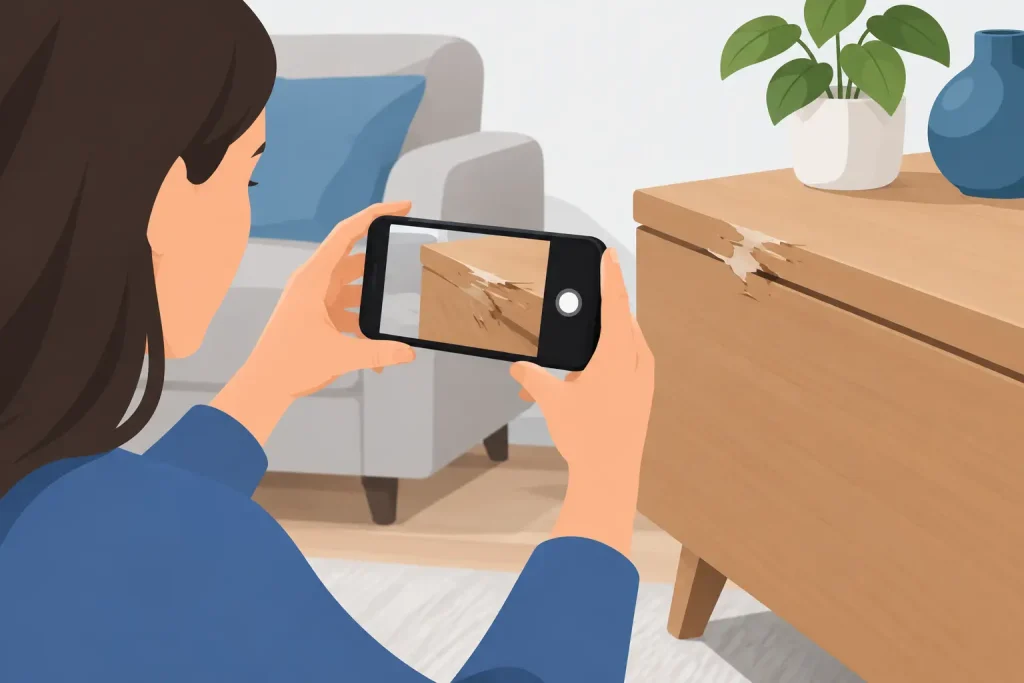
A cracked television screen, a flooded kitchen floor or a laptop knocked from the dining table can turn an ordinary day into a claims file rather quickly. The instinct is to clear up, replace what has been spoiled and get life back to normal. Fair enough. But if you need to document accidental damage evidence, pause before the mop, screwdriver or recycling bin gets involved.
The strongest evidence is usually gathered in the first few hours, when the scene still explains itself. Later, memories become tidier than reality, packaging disappears, damaged parts go to the tip and everyone is rather less certain about what happened. A loss adjuster is not expecting a household to preserve a crime scene. They are, however, trying to establish a sensible account of cause, damage and cost.
That distinction matters. A genuine claim is not made more believable by a dramatic story. It is made easier to assess by clear, ordinary facts that agree with one another.
Document accidental damage evidence before clearing up
Start with wide photographs. Show the room, the affected area and the position of the item before taking close-ups of the damage itself. A photograph of a smashed glass hob is useful; one that also shows the fallen saucepan, the worktop and the surrounding kitchen often answers more questions.
Take images from more than one angle, in decent light where possible. Include any relevant source of damage: the leaking pipe, loose shelf, broken chair leg or scorch mark. Video can be helpful for water damage, particularly where it captures dripping, pooling, staining and the general extent of the problem. There is no need for cinematic commentary. A slow, steady record is better than an anxious tour narrated at the speed of a motorway pursuit.
Then make a short note while events are fresh. Record the date and approximate time, who was present, what occurred and what you did immediately afterwards. Keep it factual. If a child spilt juice over a laptop, say so. If you returned from work and found water beneath the washing machine, say that instead of guessing that a seal must have failed.
Cause is often the awkward part of an accidental damage claim. The policy may cover the damaged item but not every underlying defect, gradual deterioration or maintenance issue. Saying what you saw is sound practice. Declaring the cause with great confidence when you do not know it is an excellent way to create unnecessary complications.
Build a record that makes practical sense
Photographs establish condition. Documents help establish ownership, age and value. Gather the purchase receipt if you have it, along with order confirmations, bank or card statements, warranty papers, repair invoices and product manuals. For higher-value possessions, old photographs can be surprisingly useful. A holiday picture that happens to show a watch, bicycle or piece of jewellery may support the fact that it was owned before the incident.
Do not panic if the original receipt was discarded years ago. Plenty of honest households do not maintain an archive worthy of the British Museum. An insurer can often consider several forms of supporting information. The more unusual, expensive or recently acquired the item, the more sensible it is to provide what you can.
Where an item can be repaired, obtain an estimate from a reputable repairer. Ask for a written diagnosis that separates accidental impact or sudden damage from wear, corrosion, age-related failure or a pre-existing fault. This is not merely paperwork. It may determine whether repair is viable and whether the loss falls within the policy terms.
Replacement prices deserve a little discipline too. Find like-for-like items at a comparable specification, rather than the newest and shiniest version available. A four-year-old television is not automatically a ticket to a top-of-the-range model with more pixels than a small planet. Some policies provide new-for-old cover, subject to their wording, while others make deductions or settle on a different basis. The policy, not optimism, decides that point.
Keep damaged items where it is safe to do so
A common mistake is disposing of the evidence before the insurer has had a chance to consider it. Keep damaged property, broken components and relevant packaging until you have been told otherwise, provided it is safe and reasonable to do so. A charred charger, shattered tablet or split suitcase may need inspection.
There are obvious exceptions. Do not keep contaminated carpets, unsafe electrical equipment or anything that presents a fire, health or security risk simply for the sake of a claim. Photograph it thoroughly first, retain a sample or damaged part if practical, and make a note explaining why it had to be removed. If emergency work is required to prevent further loss, get on with it. Most insurers would rather see sensible mitigation than a customer watching water spread through the ceiling while awaiting ceremonial permission.
Keep invoices for emergency plumbers, drying equipment, temporary accommodation or other necessary steps. Again, necessity and proportionality matter. A call-out to stop a major leak is readily understood. Redecorating three rooms because a tap dripped beneath the sink is likely to prompt a closer look.
A useful timeline beats a long explanation
Claims become difficult when the chronology is muddled. Create a simple timeline from discovery to notification: when the incident happened or was found, when you took photographs, when you contacted a repairer, what work was undertaken and when you notified the insurer.
This is especially valuable for water, electrical and accidental impact claims. A mark on a ceiling might relate to one dramatic escape of water, a slow leak over several months, or an old issue noticed only after a new one occurred. Those are not the same claim, even if the ceiling looks equally miserable.
Save emails, text messages and reference numbers from contractors or insurers. If you speak by telephone, jot down the date, name of the person and the key advice given. You do not need a solicitor’s filing system for a cracked vase, but a small folder on your phone or computer prevents the familiar claim-stage phrase: I know I had that somewhere.
What not to do when gathering evidence
The temptation to improve a claim can be stronger than people admit. Avoid estimates inflated beyond the actual loss, borrowed photographs, edited images, vague ownership claims or adding unrelated damage to the same incident. Claims professionals have seen the innocent-looking inconsistencies that emerge when an account has been stretched. What begins as an attempt to make a loss feel worthwhile can become an allegation of fraud, with consequences far beyond one declined claim.
Equally, do not understate or hurriedly repair damage simply because you dislike the fuss. Tell the insurer about the full known extent, then let the evidence and policy wording do their work. A claim is not a test of who can tell the saddest story. It is an assessment of a covered loss.
Be candid about uncertainty. If you do not know exactly when an item was purchased, give an honest estimate and explain it. If a family member was responsible, there is rarely any value in inventing a more elegant sequence of events. Straight answers are easier to check and easier to defend.
When evidence will not settle the question
Even excellent records cannot turn an excluded event into covered accidental damage. Policy terms may contain exclusions for wear and tear, mechanical or electrical breakdown, poor workmanship, deliberate damage, unattended items or damage caused by pets. Excesses, single-item limits and conditions around valuables may also affect the settlement.
That is not a reason to give up on documentation. It is a reason to use it properly. Strong evidence allows the insurer to make the right decision more quickly, whether that means approving repair, replacing an item, appointing a specialist or explaining why part of the loss falls outside cover.
There is also room for judgement. A £40 kitchen appliance may not justify days of correspondence and a formal repair report. A £4,000 camera, a substantial escape of water or a damaged antique plainly warrants a more careful record. Match the effort to the value, complexity and likely dispute.
After four decades around claims, one lesson remains remarkably dependable: boringly good records are a claimant’s friend. They let the facts do the talking, spare everyone a little theatre and leave more time for the genuinely memorable tales – the sort that have kept loss adjusting far more colourful than its reputation suggests in The Perils of a Loss Adjuster.
When misfortune arrives, take the photographs, write the note, keep the evidence and then get on with putting things right. Calm facts have a habit of travelling much further than a hurried explanation.