
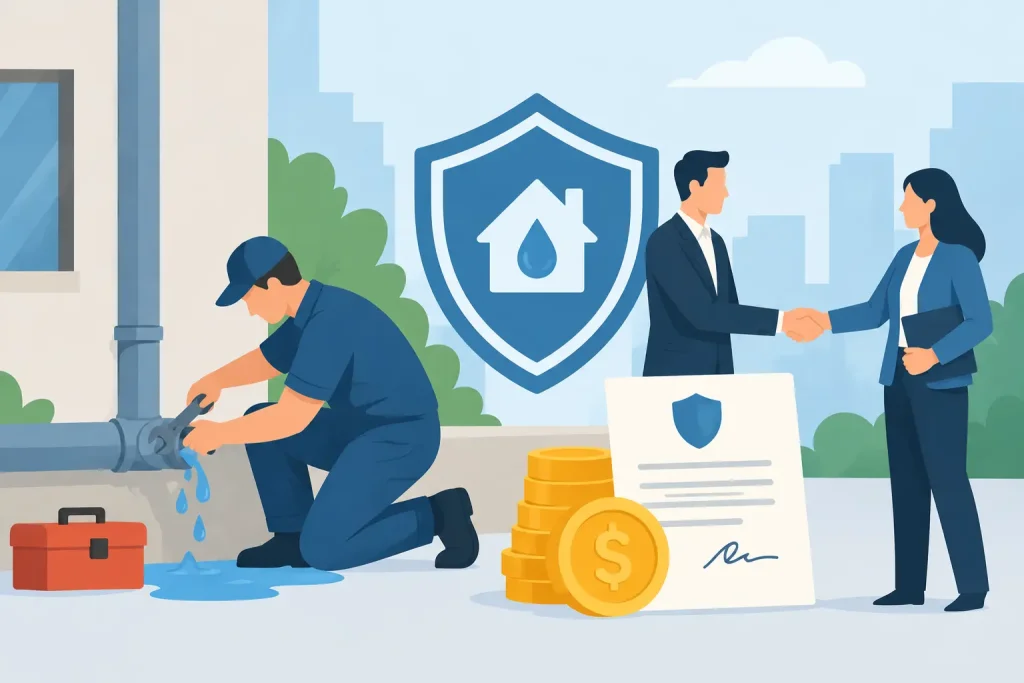
A ceiling gives way at 2am. A burst pipe starts redecorating the kitchen from above. A storm removes enough roof tiles to make the sitting room feel rather more outdoorsy than intended. At that point, emergency repair liability is not an academic question. Someone must authorise work, someone must pay the contractor, and someone will later ask whether the bill should have been avoided.
That is where claims become interesting. Not because anyone enjoys paperwork while water is coming through the light fitting, but because urgency can blur the lines between sensible loss prevention, routine maintenance and expensive improvisation. A good claims decision is rarely about finding the most indignant person in the room. It is about working out who had responsibility, what caused the damage and whether the action taken was reasonable.
What emergency repair liability actually means
Emergency repair liability concerns responsibility for the immediate work needed to make property safe, prevent further damage or restore an essential service following an unexpected incident. It can arise in a private home, rented flat, commercial premises, block of flats or a business property.
The word emergency does a fair amount of heavy lifting. Replacing a shattered ground-floor window after a break-in is usually urgent. Boarding up a damaged shop front before the next trading day probably is too. Repainting a room because a homeowner has finally grown tired of the wallpaper is not, however pressing it may feel after a difficult weekend.
Liability is equally variable. The answer may sit with the owner, tenant, landlord, managing agent, freeholder, insurer, contractor or a neighbouring occupier. In some cases, one party pays the initial invoice because delay would be foolish, then seeks recovery from the party ultimately responsible. The fact that somebody paid first does not necessarily settle who should bear the cost in the end.
The first duty is usually to limit the loss
Insurance claims have a slightly counter-intuitive feature: people are expected to act quickly, yet they are later asked to justify what they did. This is not a trap, although it can feel like one when the invoice arrives.
Most policies require the policyholder to take reasonable steps to prevent further loss. If a pipe bursts, turning off the water and calling a plumber is sensible. If a roof is damaged in high winds, arranging temporary covering to keep rain out is sensible. Leaving the property to suffer further avoidable damage because an insurer has not yet answered the telephone is unlikely to impress anyone.
The key word is reasonable. A temporary repair that prevents a modest escape of water becoming a full-scale ceiling collapse is easy to defend. Commissioning a complete kitchen refit before the cause has been established is rather more difficult. Emergency work should stabilise the situation, not quietly become a renovation programme with an unfortunate backstory.
Keep the evidence while events are still fresh. Photographs and short videos of the damage, a note of the time it was discovered, details of calls made, and itemised invoices can make the later discussion much less theatrical. If a contractor identifies a cause, ask for that in writing. “Pipe failed due to age and corrosion” has more claims value than “plumbing was a bit of a mess”.
Who may be responsible depends on the setting
Homeowners and insurers
For owner-occupied homes, buildings insurance may cover damage caused by an insured event, plus reasonable emergency work to mitigate it. A burst pipe might trigger cover for resultant water damage and the cost of gaining access, drying the property and carrying out repairs. But the worn pipe itself may not be covered if it failed through gradual deterioration.
That distinction catches people out. Insurance is designed to respond to sudden, unforeseen damage, not to replace every ageing component of a building. The insurer may pay for the soaked plasterboard but not the tired section of pipe that caused the trouble. It sounds ungenerous until one considers the alternative: an insurance policy quietly becoming a maintenance contract for every tired roof, seal and stopcock in Britain.
Home emergency cover can also help, but it is not the same thing as buildings insurance. It often provides a limited call-out service for defined emergencies, with caps, exclusions and restrictions on what is repaired. It can be useful at midnight. It should not be mistaken for a blank cheque at 9am.
Tenants, landlords and managing agents
In rented property, the tenancy agreement and statutory repairing obligations matter greatly. Landlords are commonly responsible for the structure, exterior, installations for water, gas, electricity and sanitation. A tenant who discovers a serious leak should report it promptly and take sensible steps to reduce damage where safe to do so.
That does not mean a tenant should hire the most expensive plumber in the county without attempting to contact the landlord or agent, except where genuine urgency makes that unavoidable. Nor does it mean a landlord can ignore a report of a dangerous defect and later complain about the cost of emergency attendance. Delay has a habit of converting manageable repairs into expensive disputes.
Blocks of flats bring another layer of fun. A leak may begin in one flat, damage another and involve communal pipework controlled by a managing agent. The lease, not assumption, will usually identify who is responsible for the relevant pipe, roof, wall or service. Water does not respect lease plans, unfortunately, but insurers and property managers must.
Businesses and commercial occupiers
Commercial premises add contractual obligations, trading pressures and public safety. A retailer with a smashed front window may need immediate boarding to secure stock. A restaurant with a failed drainage system may need urgent attention before it becomes a hygiene issue with an audience.
A lease may place repair obligations on a tenant, particularly under a full repairing and insuring arrangement. Yet structural defects, insured perils and common parts may remain the landlord’s concern. The practical answer is often to make the building safe first, notify the relevant parties immediately and preserve clear records. A day’s lost trade can make a modest emergency bill look positively charming.
The cause changes the claims answer
The same visible damage can produce very different liability outcomes. A collapsed ceiling might follow an accidental escape of water, a long-term leak, storm damage, faulty workmanship or a neighbour’s overflowing bath. Those are not interchangeable causes, even if the carpet ends up equally wet.
Sudden incidents are generally easier to place within insurance cover than gradual damage. Negligence can also complicate matters. If a contractor installed a fitting badly, there may be a claim against that contractor. If a neighbour caused the loss, their liability insurer may become involved. If poor maintenance allowed a known defect to worsen, an insurer may reduce or reject part of a claim depending on the policy wording and circumstances.
This is why a loss adjuster will often appear more interested in the origin of a leak than in the colour of the ruined rug. The cause determines the policy response, possible recovery options and whether someone else should ultimately carry the cost.
Avoid the mistakes that make a hard claim harder
The first mistake is delaying essential action for fear of invalidating a claim. If danger or further damage is imminent, deal with it. The second is authorising permanent, high-cost work before the insurer has had a reasonable chance to inspect, unless waiting would plainly make matters worse.
The third is disposing of damaged items too quickly. A failed valve, broken lock or damaged roof material can be useful evidence. Keep it where practical, or photograph it thoroughly before removal. Finally, do not confuse an emergency repair with an opportunity to improve the property. Like-for-like reinstatement is one thing; upgrading every fitting because the plumber is already there is another.
In a career spent around claims, the most persuasive files were rarely the loudest. They were the ones with a clear timeline, sensible mitigation, decent photographs and invoices that showed exactly what had been done and why. That may not make for thrilling bedtime reading, although it is the sort of real-world detail that gives stories in The Perils of a Loss Adjuster their bite.
When the water is spreading, the roof is open or the premises cannot trade, act sensibly rather than heroically. Make the place safe, record what happened, notify the right people and spend only what the emergency genuinely requires. Calm judgement at the awkward moment is often the cheapest repair of all.